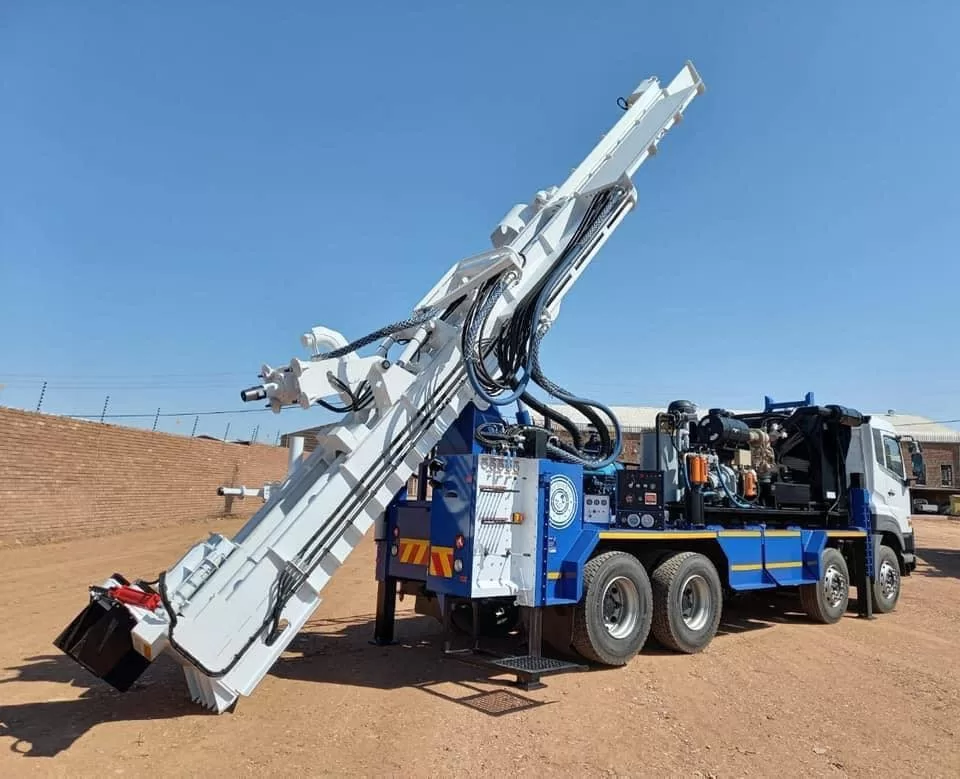
Embarking on a borehole drilling project is an exciting step toward securing a reliable water source or other resource. However, proper planning and preparation are essential to ensure the process runs smoothly, stays within budget, and complies with all legal and safety standards. Here’s a guide to help you get ready to drill, covering permits, site access, finances, siting, and more.
- Understand Permit Requirements
Before breaking ground, it's crucial to research and obtain all necessary permits. These regulations vary by region but typically include:
- Water Use Permits: Authorizations to extract groundwater legally.
- Environmental Permits: Assessments to ensure minimal environmental impact.
- Building and Drilling Permits: Local authorities may require approval before drilling begins.
Tip: Contact your local government or environmental agency early to understand the application process and timelines. Failure to secure the proper permits can result in fines, delays, or legal complications.
- Site Access and Preparation
Clear access to the drilling site is vital for smooth operations:
- Access Roads: Ensure roads are suitable for heavy drilling equipment.
- Landowner Agreements: Obtain permission from landowners if the site isn’t on your property.
- Site Clearing: Remove obstacles, debris, or vegetation that could hinder equipment setup.
- Utilities and Power: Arrange for access to electricity or generators if needed.
Tip: Conduct a site survey beforehand to identify potential challenges and plan accordingly.
- Financial Planning
Borehole drilling involves significant investment. Proper budgeting helps avoid surprises:
- Cost Estimates: Get detailed quotes for drilling, casing, pumps, and other equipment.
- Contingency Funds: Allocate extra funds for unforeseen issues like hard rock or equipment delays.
- Ongoing Maintenance: Budget for maintenance and repairs over the lifespan of the borehole.
Tip: Work with reputable drilling contractors who can provide transparent quotes and detailed breakdowns.
- Siting and Location Selection
Choosing the right location impacts the efficiency and lifespan of your borehole:
- Hydrogeological Assessment: Identify areas with adequate water availability.
- Accessibility & Safety:
Ensure the site is accessible and safe for workers and future maintenance.
- Environmental Considerations: Avoid sites near contamination sources or protected areas.
Tip: Consult with hydrogeologists or water resource specialists for expert advice on optimal siting.
- Additional Considerations
- Timeline Planning: Coordinate with contractors to establish realistic timelines
- Community and Legal Notifications: Inform neighbors or local authorities if required.
- Post-Drilling Planning: Plan for pump installation, water testing, and quality analysis after drilling.
Proper preparation is the foundation of a successful borehole drilling project. From securing permits to site access and financial planning, each step ensures your investment is protected and the process runs efficiently. At Ocean Rock Borehole Drilling, we’re here to guide you through every stage—helping you drill safely, legally, and effectively.
Ready to get started? Contact us today for expert advice and professional drilling services!