20Aug
Why Borehole Drilling is the Smart Choice for Water Security
Introduction
As global water resources face increasing pressure from climate change, population growth, and industrial demands, securing a reliable water source has never been more crucial. Borehole drilling offers a dependable solution for accessing groundwater, providing both residential and commercial properties with a steady supply of clean water. In this article, we’ll explore why borehole drilling is a smart investment for long-term water security.The Growing Need for Water Security
Water is essential for life, yet many regions around the world are experiencing water shortages due to factors like drought, pollution, and over-extraction of surface water. This situation has led to increased competition for water resources, making it difficult for individuals, businesses, and communities to secure a consistent water supply. In response, borehole drilling has emerged as a practical and sustainable solution. By tapping into underground aquifers, boreholes provide access to vast reserves of water that are less susceptible to the challenges faced by surface water sources.Advantages of Borehole Drilling
- Independence from Municipal Water Supplies: Boreholes allow property owners to become less reliant on municipal water systems, which can be vulnerable to shortages, price increases, and infrastructure failures.
- Resilience to Climate Change: As climate patterns shift and droughts become more common, boreholes offer a resilient water source that is less affected by seasonal changes in rainfall and surface water availability.
- Cost Savings: Over time, the cost savings from reduced water bills can offset the initial investment in drilling a borehole. For businesses, the ability to secure a private water source can also protect against the financial risks associated with water scarcity.
- Water Quality Control: Boreholes often provide higher-quality water than surface sources, which can be contaminated by industrial runoff, agricultural chemicals, and other pollutants. Regular testing and maintenance ensure that borehole water remains safe and clean.
- Sustainability: Groundwater extraction through boreholes is typically more sustainable than drawing from rivers or lakes, as it minimizes the impact on surface ecosystems and reduces the need for expensive water treatment processes.
The Borehole Drilling Process
The process of drilling a borehole involves several key steps:- Initial Consultation: The first step is to consult with a borehole drilling expert who can assess your water needs, site conditions, and budget. This consultation will help determine the feasibility of the project and outline the necessary steps.
- Site Survey: A detailed site survey is conducted to identify the optimal drilling location. This involves analyzing geological data, water table levels, and potential risks to ensure the best possible outcome.
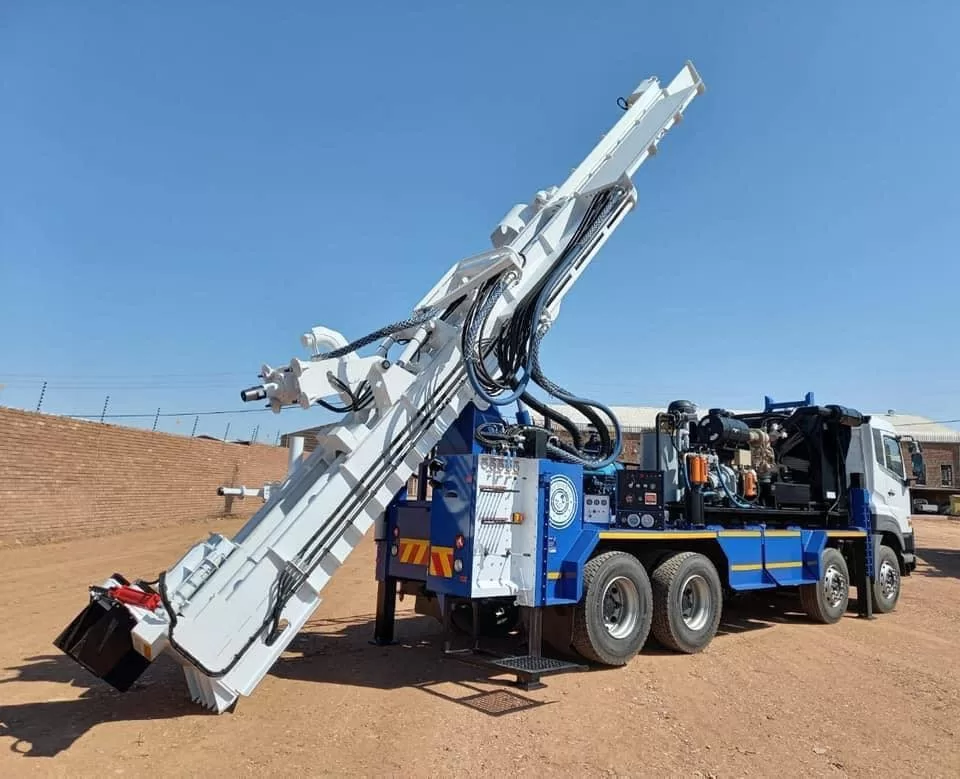
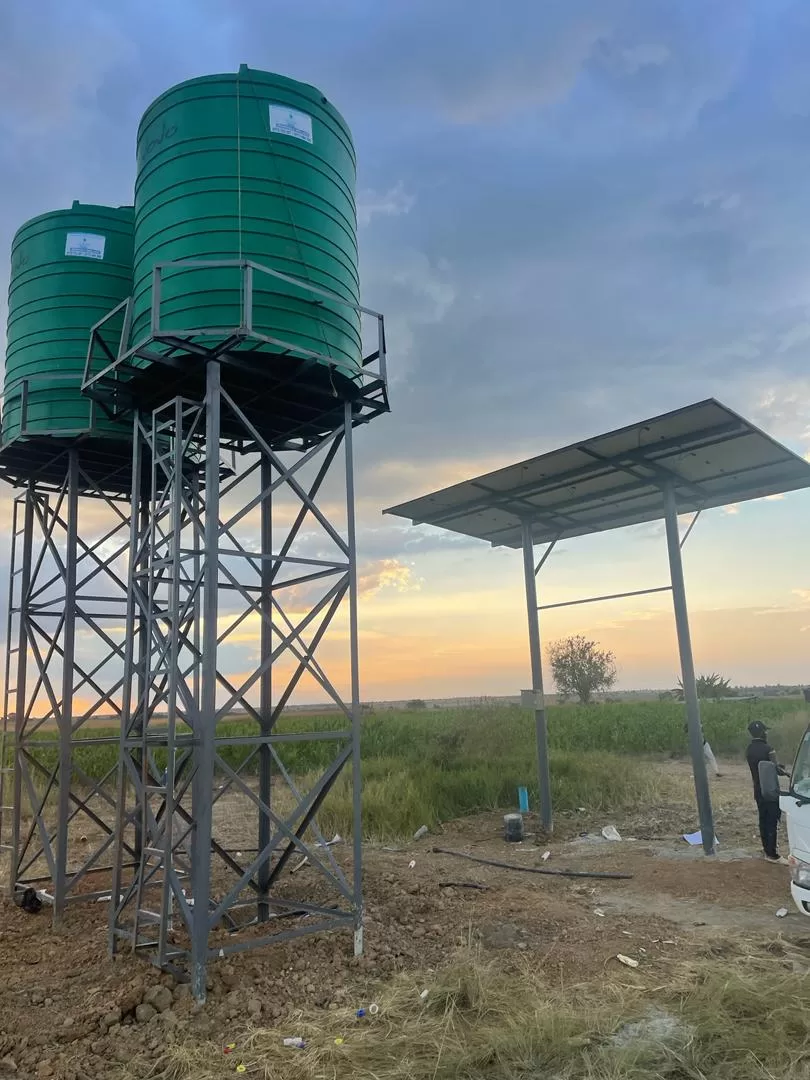
- Drilling and Installation: Using specialized equipment, the borehole is drilled to the required depth, and a casing is installed to protect the integrity of the well. A pump system is then fitted to extract water from the borehole and deliver it to your property.
- Water Testing and Certification: Once the borehole is operational, the water is tested for quality and safety. Certification ensures that the water meets all relevant health and environmental standards.
- Ongoing Maintenance: Regular maintenance is essential to keep the borehole and pumping system in good condition. This includes routine inspections, cleaning, and repairs to ensure a consistent water supply.
Key Considerations for Borehole Drilling
- Regulatory Compliance: Borehole drilling is subject to local regulations and environmental guidelines. It’s important to work with a reputable drilling company that understands these requirements and can help you navigate the permitting process.
- Long-Term Sustainability: While boreholes can provide a reliable water source, it’s important to manage groundwater extraction responsibly. Over-extraction can lead to depletion of the aquifer, so monitoring and sustainable practices are crucial.
- Investment in Quality: The quality of the drilling equipment, materials, and installation work can significantly impact the performance and longevity of your borehole. Investing in a high-quality borehole system can save you money and headaches in the long run.
Conclusion
Borehole drilling is a smart choice for anyone looking to secure a reliable, independent water source. Whether you’re concerned about the impact of climate change, rising water costs, or the need for a sustainable water supply, a borehole offers a practical solution that can meet your needs now and in the future. If you’re ready to take control of your water supply, our team of experienced professionals is here to help. Contact us today to learn more about how borehole drilling can benefit your property and ensure long-term water security.
All Categories
Recent Posts

Ocean Rock0 Comments
Why ISO-Certified Casings Save You Money in Borehole Drilling

Ocean Rock0 Comments
Portable Rigs: The Perfect Solution for Small Yards

Ocean Rock0 Comments