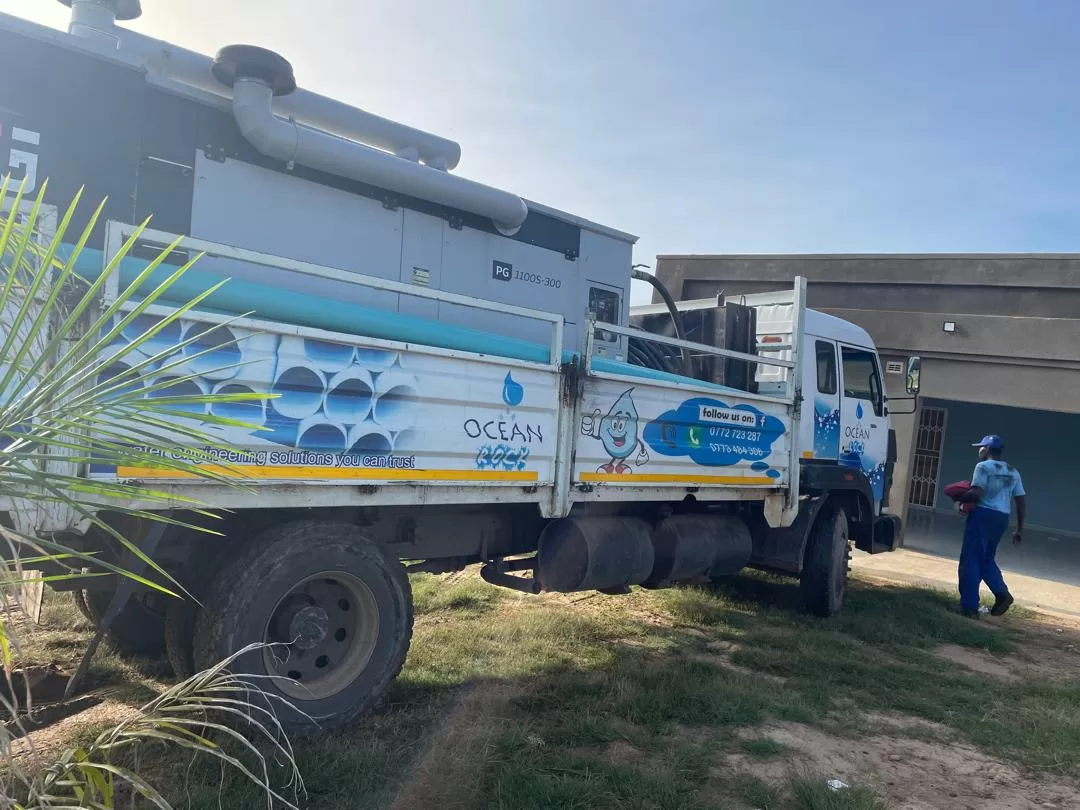
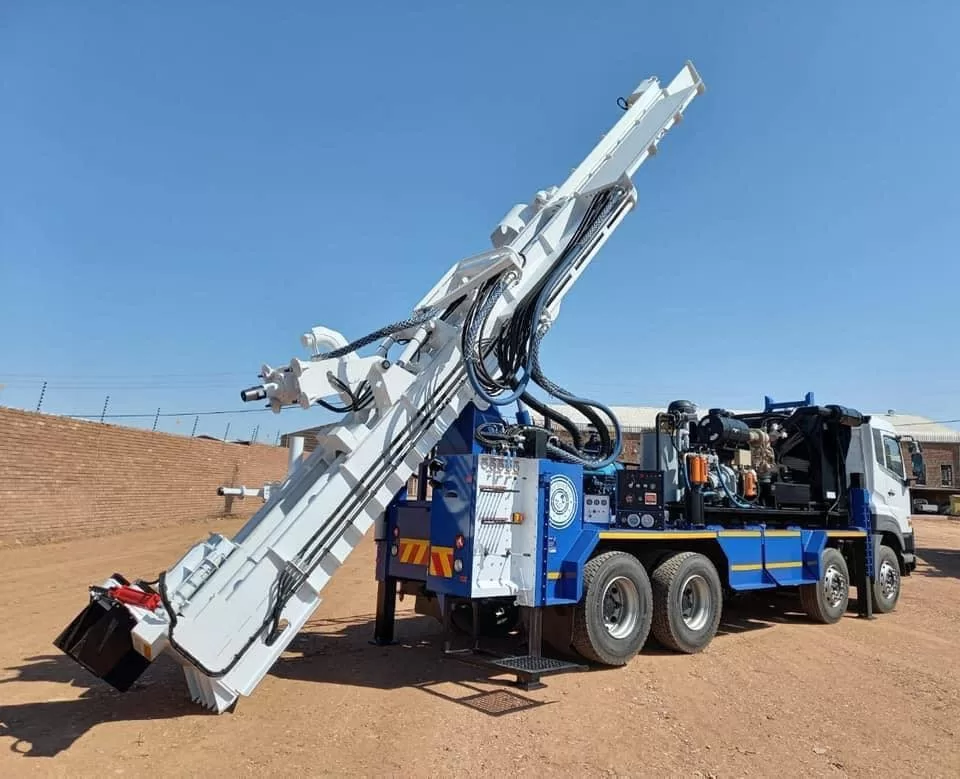
Borehole drilling is a crucial process for accessing underground water resources. Whether you're looking to supply water for agricultural, industrial, or residential purposes, a borehole can be a sustainable solution. In this guide, we'll explore everything you need to know about borehole drilling, from the basics to the technical details, and the benefits of having your own water source.
What is Borehole Drilling?
Borehole drilling is the process of creating a deep, narrow hole in the ground to access water stored in underground aquifers. These aquifers are layers of water-bearing rocks or sediments that can be tapped into for a reliable and clean water supply.
Why Drill a Borehole?
- Reliable Water Supply: Unlike municipal water, which can be unpredictable, boreholes provide a consistent supply of water.
- Cost-Effective: Over time, the cost of drilling and maintaining a borehole can be lower than relying on external water sources.
- Environmental Sustainability: Boreholes help reduce the strain on local water infrastructure and decrease the need for water transportation.
The Borehole Drilling Process
- Site Survey and Hydrogeological Survey:
- Before drilling begins, it's essential to conduct a site survey to identify the best location for the borehole. A hydrogeological survey helps determine the depth and potential yield of the aquifer.
- Drilling:
- The drilling process involves using a specialized rig to create a hole, typically between 100 to 500 meters deep, depending on the water table. The borehole is lined with casing to prevent collapse and contamination.
- Casing and Grouting:
- The casing, usually made of PVC or steel, is inserted into the borehole to keep it open. Grouting is done around the casing to seal the borehole from surface contamination.
- Well Development:
- After drilling, the well is developed by removing fine sediments and ensuring a clear pathway for water flow. This is usually done by airlifting or jetting.
- Pump Installation:
- A pump is installed to draw water from the borehole to the surface. The type of pump used depends on the depth of the borehole and the intended use of the water.
- Water Quality Testing:
- It's essential to test the water for quality and safety. Regular testing ensures that the water is free from harmful bacteria and chemicals.
Maintenance and Monitoring
Regular maintenance is crucial to ensuring the longevity and performance of a borehole. This includes periodic inspections, cleaning, and replacing worn-out parts like the pump. Monitoring water levels and quality helps in detecting any issues early.
Benefits of Having a Borehole
- Independence: A borehole provides independence from municipal water supplies, especially in remote areas.
- Increased Property Value: Properties with a borehole are often more attractive to buyers due to the self-sufficient water supply.
- Sustainability: Boreholes tap into natural groundwater sources, reducing the strain on surface water bodies and promoting water conservation.
Considerations Before Drilling
- Legal Permits: Depending on your location, you may need permits to drill a borehole. Always check local regulations before starting the project.
- Cost: Borehole drilling can be expensive, but the long-term savings and benefits often outweigh the initial investment.
- Environmental Impact: While boreholes are generally sustainable, it's important to consider the environmental impact on local aquifers and ecosystems.
Conclusion
Borehole drilling is a valuable investment for anyone looking to secure a reliable water supply. By understanding the process, benefits, and considerations, you can make informed decisions and ensure the success of your borehole project. Whether for agriculture, industry, or home use, a borehole offers a sustainable and cost-effective solution to water needs.